

Understanding Antidepressant Medications Part 2: When and How to Safely Stop Them
Are you or someone you know taking an antidepressant? Is it time to think about stopping it?
In Part 1 of this article, the focus was on the potential benefits and harms of antidepressants. In this, the second of a 2-part article, you’ll learn about when and how these medications can be safely stopped.

Understanding Antidepressant Medications Part 1: How to Use Them Safely
Antidepressants are medications prescribed to treat depression and anxiety. Canadians of all ages use them, from children to older adults. Among Canadians aged 71 and older, 1 in 3 women and 1 in 5 men are prescribed an antidepressant per year. Why Do People Use Antidepressants?
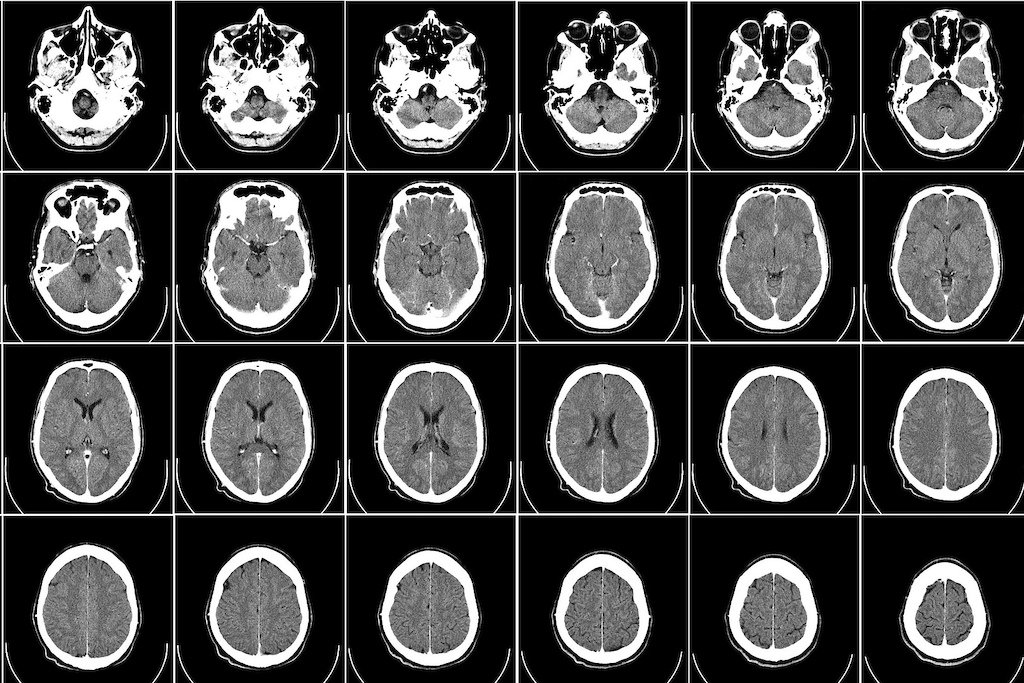
Medications and memory
Have you ever forgotten where you parked your car, put your keys, or someone’s name?
Some medications can contribute to these lapses!
This article presents examples of medications that can affect the brain and some questions to ask your health professional.

Summer heat waves and the medications that increase your risk
Certain commonly used medications can make you more sensitive to the effects of heat. These medications can increase your risk of heat stroke and other heat illnesses. Some are available with a prescription and others are available off the shelf in your pharmacy. Are you taking any of these medications?

Doctor, do I really need an antibiotic?
What is antimicrobial resistance and why is it important?
When antibiotics no longer work to kill bacteria, this is called antibiotic or antimicrobial resistance. This means that infections caused by certain types of bacteria can become difficult or impossible to treat with the antibiotics we have now. Read more…

Are you the victim of a prescribing cascade?
What is a prescribing cascade?
A prescribing cascade can happen when you and/or your health providers do not realize new symptoms are actually the side effects of one of your medications. Read more…

What you need to know about anticholinergic medications
By Johanna Trimble and Janet Currie
Some medications you take for allergies, sleep, nausea, depression or incontinence belong to a group of medications called anticholinergic medications. Read more…

Are you worried about the medications older family members are taking?
By Janet Currie and Johanna Trimble
Often, adult children are the first to notice the effects of prescription medications on their parents or other family members.
Common adverse effects can include problems with memory, over-sedation, confusion, dizziness, balance problems, increased falling or behaviour that is unusual. Read more …